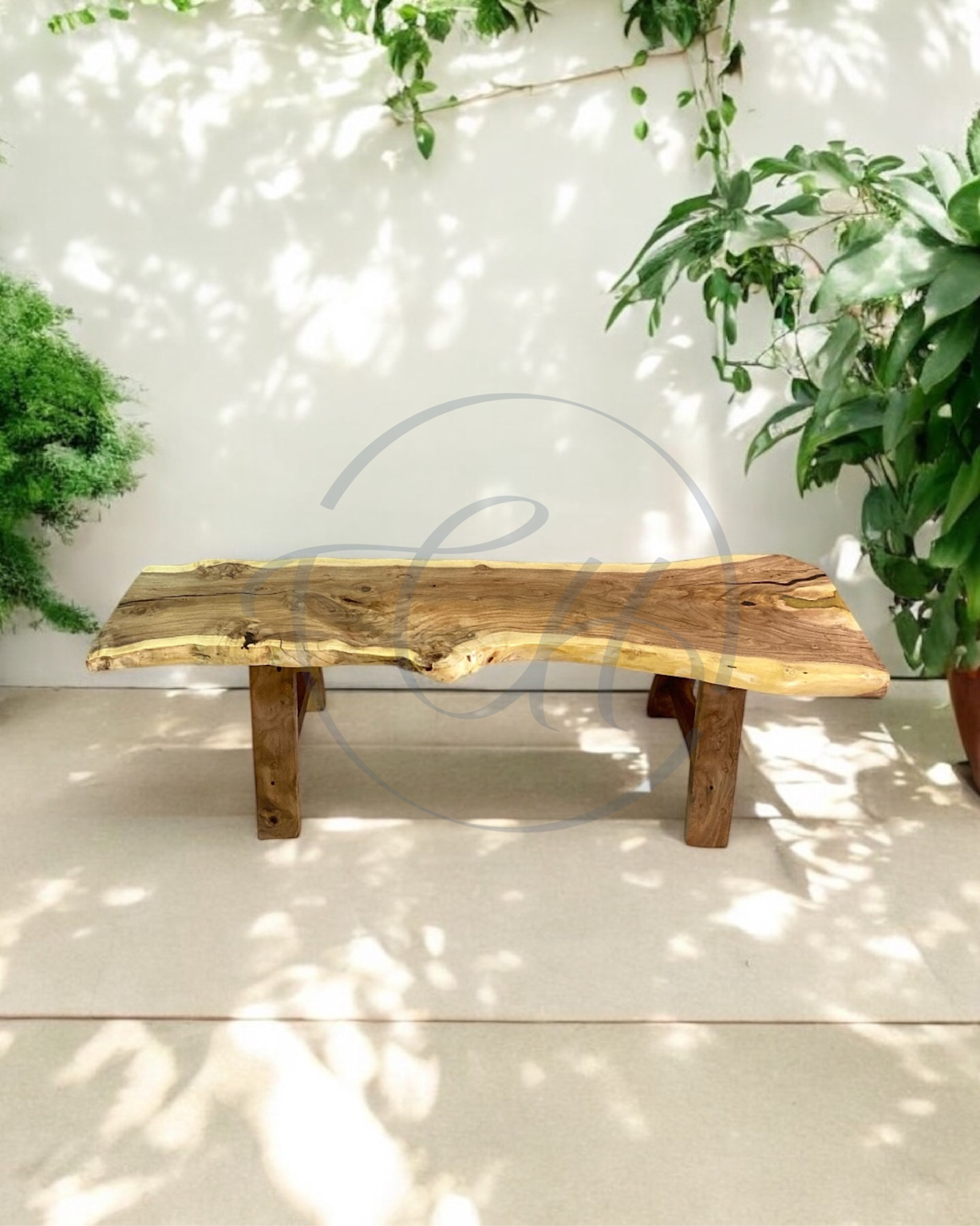
Handmade furniture benefits
In an era dominated by mass production and disposable goods, handmade furniture benefits extend far beyond mere aesthetics. Not only do these carefully crafted pieces offer unparalleled quality and durability, but they also bring authentic character and sustainable practices into your home. Moreover, choosing handmade furniture represents an investment in artisanal traditions and community craftsmanship that has been refined over generations. Consequently, when you select handcrafted pieces, you’re acquiring more than furniture—you’re embracing a philosophy that values quality over quantity and authenticity over uniformity.
Superior Quality and Craftsmanship
Attention to Detail and Precision
Handmade furniture showcases meticulous attention to detail that mass-produced items simply cannot match. Skilled artisans carefully select each piece of wood, examine grain patterns, and plan construction methods that maximize both beauty and strength. Furthermore, every joint, curve, and finish receives individual consideration, ensuring that the final product meets exacting standards. This level of precision results in furniture that not only looks exceptional but also functions flawlessly for decades.
Traditional Joinery Techniques
Unlike factory furniture that relies heavily on glue and metal fasteners, handcrafted pieces employ time-tested joinery methods such as mortise and tenon joints, dovetails, and hand-cut angles. These traditional techniques create stronger, more durable connections that actually improve with age. Additionally, such construction methods allow for easier repair and restoration, extending the furniture’s lifespan indefinitely.
Material Selection and Quality
Artisan furniture makers typically source premium materials directly, often developing relationships with suppliers who share their commitment to quality. Consequently, handmade pieces feature carefully selected hardwoods, natural finishes, and hardware that complement both the design and intended use. Explore our Featured Products collection to see examples of superior material selection and craftsmanship quality.
Unique Character and Authenticity
Individual Personality in Every Piece
Each handmade furniture item possesses distinct characteristics that reflect both the artisan’s skill and the natural properties of the materials used. For instance, variations in wood grain, subtle differences in color, and slight irregularities in texture create personality that mass-produced furniture lacks. Moreover, these individual traits ensure that your furniture remains truly unique, making your home décor impossible to replicate exactly.
Cultural Heritage and Artistic Expression
Handmade furniture often incorporates traditional designs and techniques that reflect cultural heritage and regional craftsmanship traditions. Therefore, when you choose artisan-made pieces, you become a custodian of these cultural expressions. Additionally, many furniture makers infuse their personal artistic vision into each creation, resulting in functional art that tells a story and connects your home to broader artistic traditions.
Customization and Personal Connection
Working with furniture artisans allows for customization that addresses your specific needs, preferences, and space requirements. Consequently, you can adjust dimensions, select finishes, and modify designs to create pieces that perfectly complement your lifestyle and aesthetic vision. This collaborative process creates a personal connection between you and your furniture that enhances emotional satisfaction and pride of ownership.
Environmental Sustainability and Responsibility
Reduced Environmental Impact
Handmade furniture production typically generates significantly less environmental impact than mass manufacturing. Artisan workshops use minimal machinery, rely on renewable energy sources when possible, and produce little waste due to careful material planning. Furthermore, the local or regional nature of most handmade furniture reduces transportation emissions and packaging waste.
Sustainable Material Practices
Many furniture artisans prioritize sustainable forestry practices, reclaimed wood usage, and non-toxic finishing materials. Additionally, they often source materials locally, supporting regional economies while reducing environmental transportation costs. Browse our Materials section to learn about sustainable material choices and eco-friendly finishing options.
Longevity Over Disposability
Perhaps the most significant environmental benefit of handmade furniture lies in its exceptional durability and timeless design. While mass-produced furniture often requires replacement within a few years, well-crafted handmade pieces can last generations with proper care. Consequently, choosing artisan furniture dramatically reduces long-term consumption and waste generation.
Economic and Social handmade furniture Benefits
Supporting Local Artisans and Communities
Purchasing handmade furniture directly supports skilled craftspeople and their families, often in rural or traditional communities where such work provides essential economic stability. Moreover, this support helps preserve traditional skills and knowledge that might otherwise disappear in the face of industrialization.
Fair Trade and Ethical Production
Artisan furniture makers typically ensure fair wages and safe working conditions for everyone involved in the production process. Additionally, the direct relationship between maker and buyer eliminates exploitative middlemen and ensures that craftspeople receive appropriate compensation for their skills and time.
Investment Value and Longevity
While handmade furniture requires higher initial investment, the combination of durability, timeless design, and potential antique value often makes it more economical in the long term. Furthermore, well-maintained handcrafted pieces frequently appreciate in value, particularly those created by recognized artisans or representing specific cultural traditions.
Practical Advantages for Homeowners
Durability and Repairability
Handmade furniture’s solid construction and traditional joinery techniques ensure exceptional durability under normal use conditions. More importantly, when repairs become necessary, the construction methods and materials used allow for effective restoration that extends the furniture’s life indefinitely. This repairability stands in stark contrast to mass-produced furniture, which often becomes irreparable when damaged.
Design Flexibility and Adaptability
Artisan-made pieces often feature designs that adapt well to different interior styles and room configurations. Consequently, handmade furniture can successfully transition through multiple home moves and décor changes while maintaining its relevance and beauty. This adaptability enhances long-term value and satisfaction.
Health and Safety Considerations
Handmade furniture typically uses natural materials and non-toxic finishes that contribute to healthier indoor air quality. Additionally, the absence of synthetic materials and chemical adhesives reduces potential off-gassing and allergic reactions, making handcrafted pieces safer for families with sensitivities.
Choosing the Right Handmade Furniture
Evaluating Craftsmanship Quality
When selecting handmade furniture, examine joint construction, finish quality, and overall design coherence. Look for smooth surfaces, properly aligned components, and consistent finishing. Visit our Featured Products page to see examples of superior craftsmanship and construction techniques.
Understanding Artisan Credentials
Research the maker’s background, training, and experience to ensure you’re purchasing from qualified craftspeople. Additionally, seek artisans who can provide information about their materials, techniques, and quality guarantees.
Matching Style and Functionality
Consider how potential purchases will integrate with your existing décor and lifestyle needs. Handmade furniture should enhance your daily life while reflecting your personal aesthetic preferences and functional requirements.
Care and Maintenance of Handmade Furniture
Proper Care Extends Lifespan
Handmade furniture requires appropriate care to maintain its beauty and functionality over time. Generally, this involves regular dusting, periodic deep cleaning with appropriate products, and protection from extreme temperature or humidity changes. Additionally, following manufacturer care instructions ensures optimal longevity.
Professional Restoration Services
When restoration becomes necessary, seek professionals who understand traditional furniture construction and finishing techniques. Our Interior Design Consultation service can connect you with qualified restoration specialists who can return your treasured pieces to original condition.
Explore Our Handcrafted Collection
Discover the difference that artisan craftsmanship makes by following our latest handmade furniture showcases on Instagram.
Conclusion
The handmade furniture benefits extend far beyond initial purchase considerations, encompassing superior quality, unique character, environmental responsibility, and long-term value. By choosing artisan-crafted pieces, you invest in furniture that not only serves functional needs but also enriches your home with authentic character and cultural significance. Furthermore, you support sustainable practices and traditional craftsmanship while acquiring pieces that can be treasured and passed down through generations. Ultimately, handmade furniture represents a conscious choice to prioritize quality, authenticity, and sustainability over the temporary convenience of mass-produced alternatives.