Compound gardens in Egypt share a familiar look: a neat rectangle of lawn, a paved patio by the sliding door, a boundary wall or hedge, and not much else. The developer’s landscaping gives you a starting point, but it rarely gives you a garden that feels like yours.
Planters are the fastest way to change that. They let you add height, colour and character without digging up the lawn, they move with you if you change homes, and they work just as well on a ground-floor patio, a villa terrace or a duplex roof garden. The secret is choosing the right pots, in the right sizes, arranged with intention. This guide explains how.
Why Pots Matter in a Compound Garden
Planting directly in the ground is not always possible in a compound. Management rules may restrict changes to shared landscaping, the soil may be poor or full of construction rubble, and many patios are fully paved. Pots solve all three problems.
They also offer real design advantages:
- Height: tall planters and plant stands lift greenery to eye level.
- Flexibility: you can rearrange pots for a party, a season or simply a change of mood.
- Control: each plant gets the soil and water it needs.
- Definition: pots mark the edges of a seating area, frame a door or line a path.
- Privacy: a row of large pots with tall plants screens a patio from neighbours.
Choosing the Right Size
The most common mistake with outdoor planters is buying pots that are too small. Small pots dry out within hours in Egyptian summer heat, tip over in the wind and look lost against a large wall or wide patio.
General Sizing Guidelines
- Statement pots at a front door or patio corner should be at least 40 to 50 cm tall and wide.
- Pots for shrubs and small trees need generous depth for roots and enough weight for stability.
- Herbs and flowers can live in smaller pots, but group them so they do not look scattered.
- Larger soil volume holds water longer, which matters enormously in a hot climate.
A good rule: if you are unsure between two sizes, choose the bigger one.
Materials for Egyptian Gardens
Each planter material behaves differently in sun, heat and dust.
Terracotta and Glazed Pottery
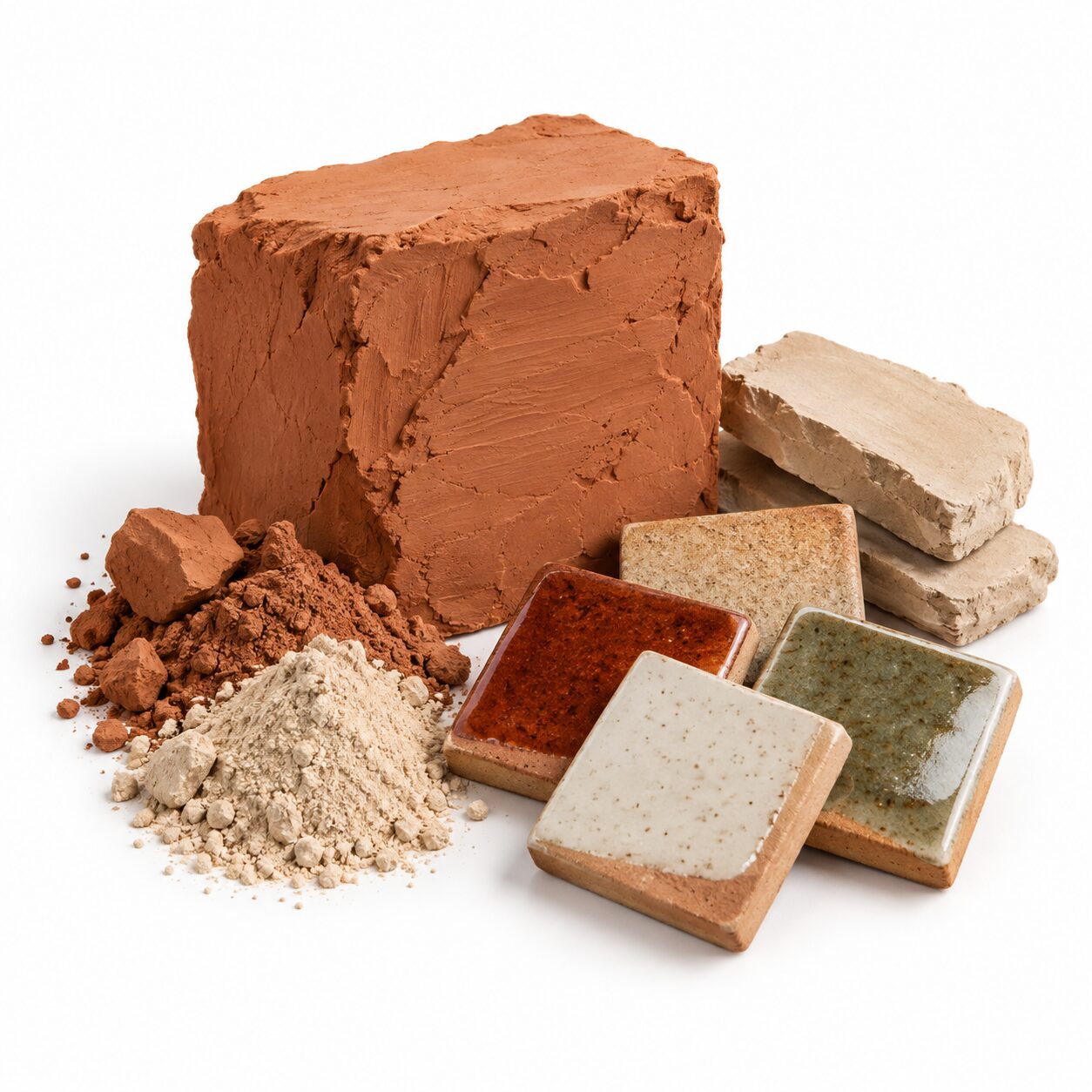
Terracotta is the classic Mediterranean choice and suits Egyptian homes naturally. It is heavy, which helps stability, and it gives a timeless, earthy look. Unglazed terracotta is porous, so plants may need more frequent watering in summer; glazed or finished pots hold moisture better.
A large handcrafted pot makes an instant focal point. The Large Olive Green Handcrafted Terracotta Planter Pot is made for indoor and outdoor use, and its colour sits beautifully against green foliage and sandy walls. For a bolder accent, the Large Blue Handcrafted Terracotta Planter Pot brings a cool, coastal note to a patio.
Ceramic Planters
Smaller ceramic planters are lovely for succulents, herbs and table-top greenery on a patio table or ledge. The Round Bohemian Ceramic Planter with Engraved Geometry is the right scale for a succulent arrangement on an outdoor side table.
Natural Fibres: Halfa, Jute and Rattan
Woven planters and pot covers bring warmth and texture, and they connect beautifully with natural outdoor furniture. Use them in covered or semi-sheltered areas such as a pergola, a covered terrace or a shaded corner, and place a plastic grow pot inside with a saucer so the fibres stay dry.
The Handmade Halfa Vase works as a garden plant basket holder or a home for dried flowers, adding a handmade Egyptian touch to a covered patio.
Plant Stands: Adding Height and Rhythm
A row of pots all sitting on the ground looks flat. Plant stands lift some of them up and create the layered, abundant look of a mature garden.
- Tripod stands suit single, medium-sized pots beside a door or chair.
- Stand sets of different heights create instant layering in a corner.
- Mid-century wooden stands look tidy and modern on a paved patio.
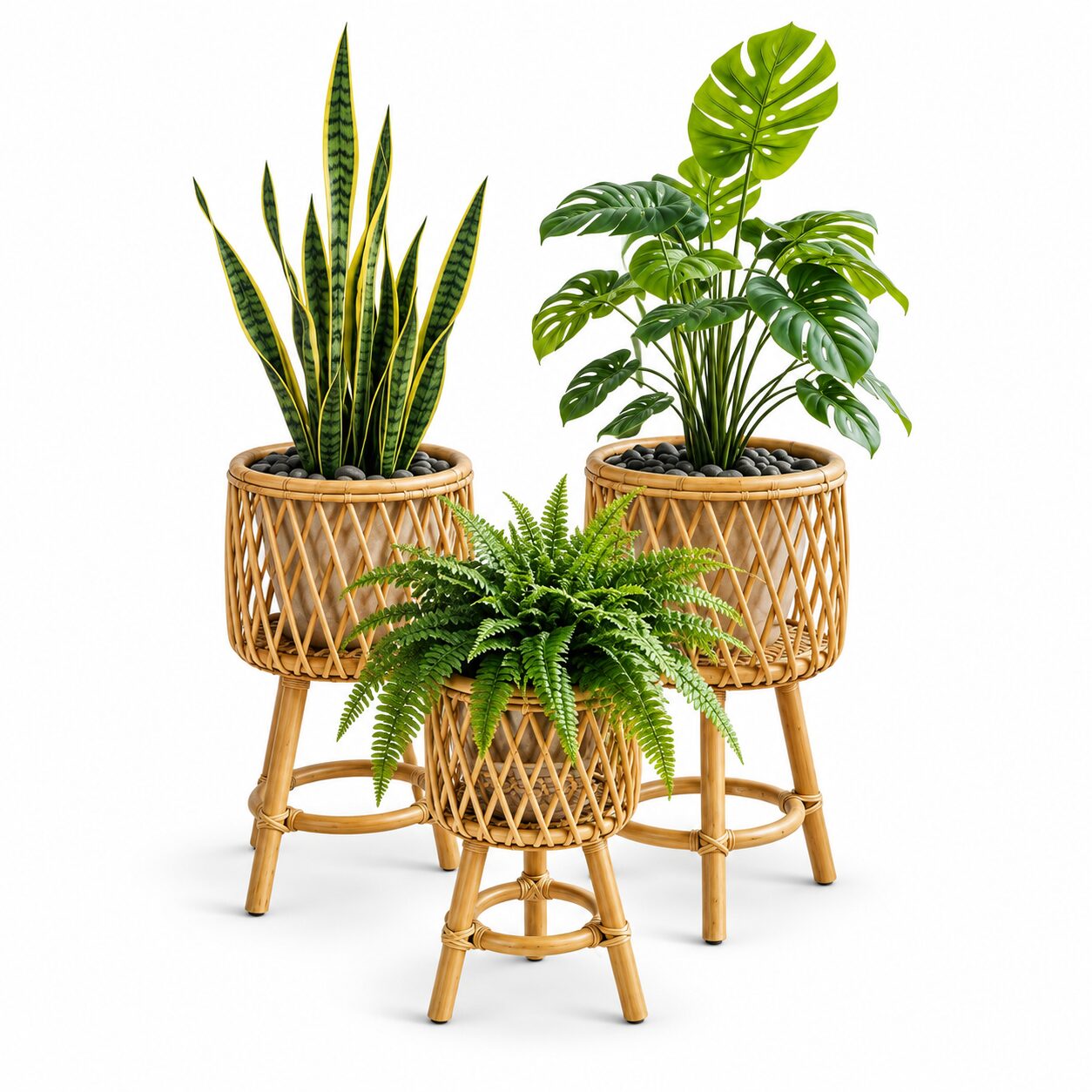
The Coccaro Rattan Plant Stand Set gives three handwoven stands for a natural, boho cluster in a covered area. The Wooden Plants Holder with Halfa Pot combines a tripod stand and a woven pot in one piece, ideal for a terrace corner. For a cleaner look, the Modern Wooden Plant Stand with Square Legs holds a pot neatly off the floor.
Wooden and rattan stands last longest when kept out of direct rain and harsh midday sun.
Going Vertical: Hanging and Wall Planters
Compound patios are often narrow, squeezed between the house and the boundary wall. When floor space runs out, go up. Hanging planters and wall-mounted holders add greenery at eye level without taking a single tile of floor.
- Hang trailing plants like pothos, ivy or string-of-pearls from a pergola beam or a sturdy wall bracket.
- Mount small holders on a bare boundary wall in a loose diagonal line to break up a long, flat surface.
- Mix heights by combining one hanging planter with a floor pot and a pot on a stand beneath it.
The Hand-Woven Rope Pot Holder is designed for home and garden use and adds a soft, handmade element to a terrace wall. As with all natural-fibre pieces, hang it in a sheltered spot and keep a lightweight inner pot with a saucer, so watering does not soak the rope.
Always fix hanging planters to solid masonry or a proper beam, because a wet pot full of soil is heavier than it looks.
How to Group Pots Like a Designer
Arrangement matters as much as the pots themselves.
The Rule of Three
Group planters in odd numbers, usually three or five. Vary their heights: one tall, one medium, one low. Keep at least one element consistent, such as colour, material or plant type, so the group looks intentional.
Repeat Along Lines
To line a path or the edge of a patio, repeat the same pot and plant at regular intervals. Repetition creates order and makes even a simple garden look designed.
Frame Doorways and Gates
A matching pair of large planters on either side of the front door, the patio door or the garden gate is a classic, welcoming touch. Choose upright plants for a formal look or soft, spilling plants for a relaxed feel.
Soften Corners
Corners are where walls meet and the garden feels hardest. A cluster of three pots at different heights, perhaps with one on a stand, softens the angle instantly.
Plants That Love Egyptian Conditions
Choose plants that tolerate heat, strong light and occasional neglect while you travel for the summer.
- For full sun: bougainvillea, oleander, lantana, rosemary, lavender, aloe and agave.
- For partial shade: ferns, peace lilies, philodendron and pothos in sheltered spots.
- For fragrance: jasmine, gardenia and basil near seating areas.
- For structure: olive trees, citrus trees and palms in large pots.
- For low maintenance: succulents and cacti in well-draining mixes.
Watering, Drainage and Care
Pots need more attention than garden beds, especially from May to September.
- Drainage holes are essential. Without them, roots rot.
- Use a good potting mix, not garden soil, so water drains properly.
- Water early morning or evening, never at midday in summer.
- Water deeply until it runs from the drainage hole, then let the top few centimetres dry.
- Add mulch such as gravel or bark on top to slow evaporation.
- Raise pots slightly on feet or saucers so water does not stain paving.
- Wipe dust off leaves occasionally so plants can breathe and look fresh.
Before travelling, group pots together in a shaded spot and arrange for a neighbour or drip system to water them.
Dressing Pots for Gatherings
Planters can also play a role when you host. Before an Eid lunch or a summer barbecue, move your best-looking pots to frame the seating area and the path from the gate. Tuck a lantern or a candle holder between a group of planters for a soft glow after dark. During Ramadan, a pair of large pots by the door with small lanterns at their base makes a warm welcome for iftar guests. Because pots move, your garden can change its look for every occasion without any new purchases.
Matching Pots to Your Home’s Style
Planters are part of the architecture of your garden, so let them echo the style of your home. A contemporary villa with clean lines suits simple, solid-colour pots in a consistent finish. A Mediterranean-style home calls for terracotta, glazed blues and greens, and olive or citrus trees. A bohemian garden welcomes a mix of woven, ceramic and painted pots. Whatever the style, limit yourself to two or three colours and materials across the whole garden so it feels designed rather than collected.
Common Mistakes to Avoid
- Pots that are too small. They dry out fast and look lost.
- Scattering single pots. Grouping looks far more polished.
- No drainage. The quickest way to lose a plant.
- Natural fibres in the rain. Keep woven planters under cover with an inner pot.
- Wrong plant, wrong place. A shade plant in full sun will scorch.
- Ignoring compound rules. Check before placing large pots in shared areas.
Quick Checklist
- Garden or patio measured and key spots identified
- Statement pots at least 40 to 50 cm in size
- Materials chosen for sun, shade or covered areas
- Plant stands to add height and layering
- Pots grouped in threes or fives
- Doorways framed with a matching pair
- Heat-tolerant plants chosen for each spot
- Drainage, potting mix and mulch in place
- A watering plan for the hottest months
A Garden That Grows With You
A compound garden does not need major landscaping to feel personal. With a few generous planters, some layered stands and plants chosen for the climate, a plain patio becomes a green, welcoming outdoor room that grows richer every season.
Explore terracotta planters, plant stands and handwoven halfa and jute pots at coccarohome.com and start building your garden one pot at a time.
Shop the Look