Bringing Traditional Egyptian Elements into Modern Home Décor
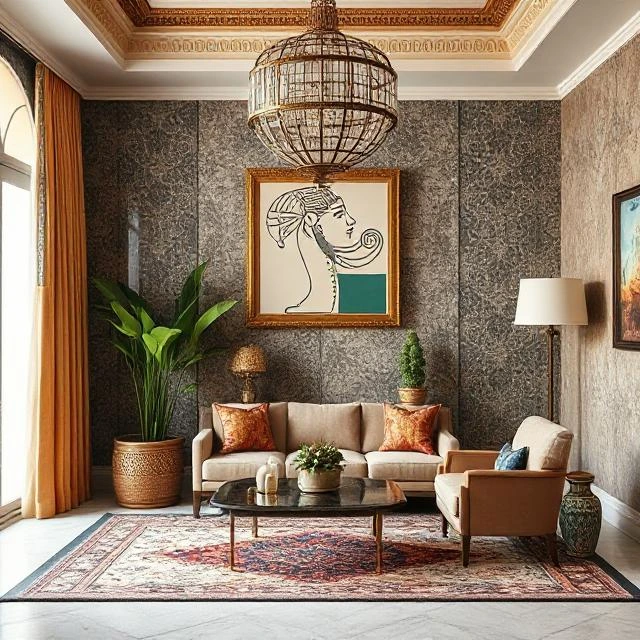
traditional home accessories Egypt celebrates today bridge ancient artistry with contemporary living. From handwoven textiles to carved wooden trays, these timeless pieces honor millennia of craftsmanship while fitting seamlessly into modern interiors. Whether you’re furnishing a minimalist apartment or a family villa, integrating heritage elements creates spaces that feel authentic, warm, and deeply connected to cultural roots. This guide explores how to thoughtfully incorporate traditional Egyptian accessories into your home without sacrificing modern functionality or style.
Understanding Traditional Egyptian Design Elements
Traditional Egyptian design draws from three rich historical periods: Pharaonic, Coptic, and Islamic. Pharaonic influences include lotus and papyrus motifs, hieroglyphic patterns, and the use of gold and lapis blue. Coptic design features intricate cross patterns and earthy textiles. Islamic elements bring geometric tessellations, arabesque scrollwork, and mash Rabiya lattice screens. By selecting accessories that reference these traditions, you create interiors that tell Egypt’s story while maintaining a fresh, livable aesthetic.
Start with a Neutral Foundation
Modern interiors often feature clean lines, neutral palettes, and uncluttered surfaces—an ideal backdrop for traditional home accessories Egypt artisans create. Begin with white, cream, sand, or soft gray walls and furniture. This neutral base allows heritage pieces to stand out as focal points rather than competing for attention. Once your foundation is established, layer in traditional accessories that introduce color, pattern, and texture.
Handwoven Textiles: Layering Heritage with Comfort
Textiles are among the most accessible ways to integrate traditional elements. Handwoven rugs featuring geometric or tribal patterns anchor living rooms and bedrooms, connecting modern furniture to cultural heritage. Our rugs collection offers low-pile options inspired by Bedouin weaving and Islamic tile work. Layer a smaller patterned rug atop a larger neutral one for depth or place a runner in hallways to guide movement and add warmth underfoot.
Cushions provide another avenue for textile integration. Choose designs that echo traditional Egyptian patterns—block prints, ikat, or embroidered motifs—and scatter them across sofas and benches. Our cushions collection features vibrant options that inject personality without overwhelming minimalist spaces. Swap cushion covers seasonally to refresh your décor and reflect changing trends.
Styling Tip: Mix traditional patterns with solid-colored textiles to balance visual complexity and maintain a cohesive, uncluttered look.
Artisanal Pottery: Sculptural Beauty and Function
Egyptian pottery traditions date back thousands of years, and handcrafted ceramics remain essential traditional home accessories Egypt homes cherish. Display terracotta pots, glazed vases, or earthenware bowls on open shelves, console tables, or windowsills. These pieces serve as sculptural elements even when empty, and their organic shapes soften the hard edges of contemporary furniture.
Our pots collection features vessels in various sizes, perfect for clustering in odd-numbered groups. Fill them with trailing artificial plants for year-round greenery that requires no maintenance. Alternatively, use pots to hold dried branches, pampas grass, or seasonal florals, adapting displays to your mood and the calendar.
Styling Tip: Arrange pots at staggered heights on a multi-tiered shelf or console to create visual interest and draw the eye upward.
Decorative Trays and Serving Pieces: Hospitality as Art
In Egyptian culture, hospitality is a core value, and serving trays embody this tradition. Carved wooden trays, engraved brass servers, and hand-painted ceramic dishes add both function and beauty to modern homes. Browse our trays & servers section for pieces featuring geometric patterns or arabesque detailing.
Use trays on coffee tables to corral remotes, coasters, and candles, or place them on ottomans to create stable surfaces. In the kitchen, display a decorative tray on an open shelf or lean it against a backsplash as wall art. When guests arrive, these trays become functional pieces for serving tea, sweets, or appetizers—blending everyday utility with cultural storytelling.
Styling Tip: Style a tray with a small potted plant, a scented candle, and a favorite book to create an instant curated vignette.
Wall Hangings and Tapestries: Texture and Narrative
Bare walls miss the opportunity to showcase traditional craftsmanship. Handwoven wall hangings, embroidered tapestries, and macramé pieces infuse rooms with softness and cultural depth. Select works that complement your color scheme—neutral jute or cotton for minimalist spaces, or richly dyed fibers for eclectic interiors.
Our wall hangings range features lightweight, durable pieces that suit any room. Hang a large tapestry above the sofa or bed as a focal point or arrange smaller works in a gallery wall alongside framed calligraphy or photographs. For a bohemian twist, incorporate macramé hangings that add organic texture and pair beautifully with potted plants.
Styling Tip: Position wall hangings at eye level to maximize impact and encourage viewer engagement.
Metallic Accents: Gold, Brass, and Copper
Metallic elements reference ancient Egyptian craftsmanship and add luxurious highlights to modern spaces. Introduce brass or copper trays, candle holders, picture frames, and decorative bowls. These accents catch and reflect light, creating warmth and visual interest without overwhelming the room. Balance metallic pieces with natural materials like wood, jute, and terracotta to prevent spaces from feeling too opulent.
Styling Tip: Limit metallics to one or two finishes (e.g., brass and gold) to maintain cohesion and avoid visual clutter.
Geometric Patterns: Islamic Influences
Islamic geometric patterns are hallmarks of traditional Egyptian design. Integrate these motifs through tiles, stenciled accent walls, or patterned textiles. If permanent changes aren’t feasible, opt for removable wallpaper, cushion covers, or area rugs featuring tessellations and star patterns. These designs add complexity and cultural resonance while maintaining a modern, graphic aesthetic.
Styling Tip: Use geometric patterns sparingly—on a single accent wall, a small rug, or a few cushions—to avoid overwhelming the space.
Natural Materials: Wood, Stone, and Fiber
Traditional Egyptian interiors prioritize natural materials that suit the climate and honor the earth. Incorporate carved wooden furniture, limestone or marble accents, and woven baskets. Our storage baskets collection offers jute and seagrass options that keep clutter at bay while reinforcing the natural materials theme. Use baskets to store blankets, magazines, or toys, then place them on open shelves or beneath benches.
Styling Tip: Group baskets in varying sizes and stack them vertically to maximize storage efficiency and visual appeal.
Lighting: Lanterns and Pendant Fixtures
Traditional Egyptian lighting often features perforated metal lanterns that cast intricate shadows. Hang brass or copper pendant lamps in entryways, dining rooms, or above kitchen islands to introduce heritage flair. Complement these fixtures with candles in ornate holders for ambient lighting during gatherings. Warm-toned bulbs enhance the earthy color palette and mimic the golden glow of Egyptian sunsets.
Styling Tip: Layer ambient, task, and accent lighting to create flexible illumination suited to different activities and moods.
Creating Balance: Modern Silhouettes with Traditional Details
The key to successfully integrating traditional home accessories Egypt artisans craft lies in balance. Pair sleek, contemporary furniture with heritage details—a minimalist sofa with embroidered cushions, a modern console topped with a carved tray, or a streamlined bench accented with a handwoven throw. This juxtaposition creates dynamic interiors that honor tradition without feeling dated or overly ornate.
Styling Tip: Follow the “70-30 rule”: 70% modern elements and 30% traditional accessories, adjusting based on personal preference and comfort level.
Personalizing Your Space with Heirlooms and Souvenirs
The most meaningful interiors reflect their inhabitants. Display family heirlooms—vintage pottery, embroidered linens, or inherited trays—alongside curated accessories. If you’ve traveled through Egypt, showcase souvenirs like papyrus art, miniature pyramids, or local crafts. Frame photographs of Egyptian landscapes, markets, or monuments to reinforce your connection to place. These personal touches make your home uniquely yours while celebrating cultural heritage.
Follow Us for More Inspiration
Stay connected and discover daily décor ideas, styling tips, and new traditional home accessories Egypt collections: