A single branch in the right vessel can change a corner more than a new piece of furniture. The trouble is that most arrangements fail before a single stem goes in, because the vase was chosen for the shop shelf rather than for the place it will live. Get the vessel right and the flowers almost arrange themselves. Get it wrong and even the prettiest stems look stiff and awkward.
Artificial flowers and greenery have also come a long way. In a country where summer heat wilts a fresh bouquet in two days and dust settles on everything, good faux stems make a lot of sense. They stay green through August, they never need water, and they let you keep a living-room arrangement looking the same for months. This guide walks through choosing vases first, then arranging stems so they read as natural rather than plastic.
Start With the Spot, Not the Vase
Before you buy anything, stand where the arrangement will go and ask three questions.
- How will people see it? A dining table is seen from a seated height and from every side. A console in the entrance is seen from the front, standing, often in passing. A floor corner is seen from across the room.
- How much space is there? Measure the surface and, just as importantly, the height available. A tall arrangement under a wall-mounted shelf will look cramped.
- What is behind it? A busy wallpaper or patterned wall art needs a simple vase and a calm arrangement. A plain wall can carry something more sculptural.
Dining tables call for low arrangements so people can talk across them. Entrances and consoles can take height. Floor corners need real presence, which usually means a large vase and long branches.
Choosing the Right Vase
Size and Proportion
The most reliable rule in floristry is simple: the arrangement should be roughly one and a half to two times the height of the vase. A 30 cm vase wants stems that rise about 45 to 60 cm above the table. Go shorter and the arrangement looks squat; go much taller and it looks as if it might tip over.
Width matters too. A narrow neck holds a few stems upright and tidy. A wide mouth lets stems fall outward into a fuller, looser shape, but it also needs more material to look generous.
Shape
- Pitcher and jug shapes feel relaxed and farmhouse. A Rustic Pottery Pitcher Vase with its handle and soft beige glaze is ideal for loose greenery on a kitchen counter or breakfast table.
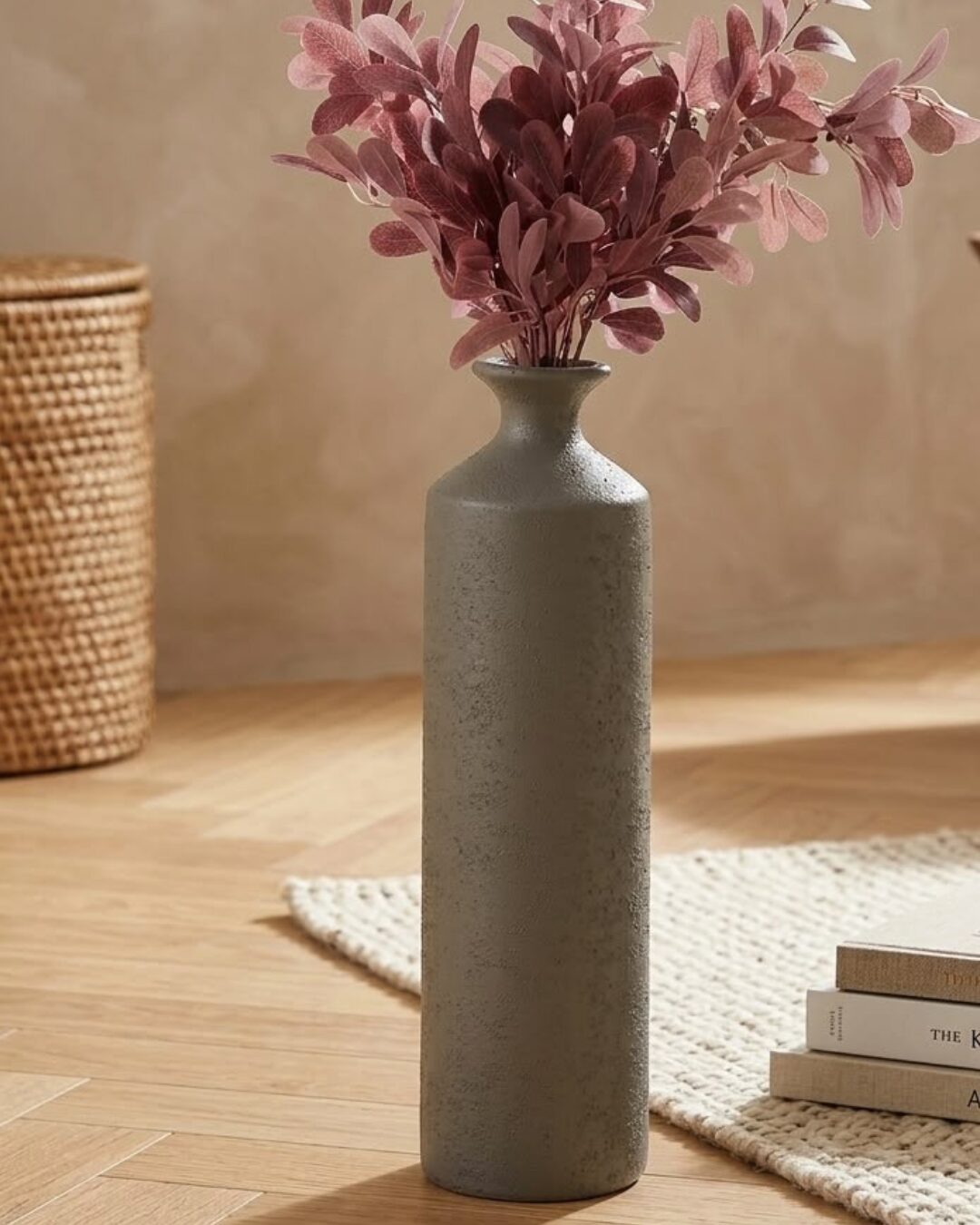
- Tall, slim vases suit single dramatic branches and look elegant on consoles and floors.
- Round, bellied vases suit bunched, rounded arrangements and look good on coffee tables.
- Baskets and woven vessels suit dried-look stems and rustic greenery.
Material and Finish
Material sets the mood before a single flower goes in. Matte pottery feels earthy and handmade. Metallic finishes feel more formal and contemporary. Woven halfa and seagrass feel natural and light.
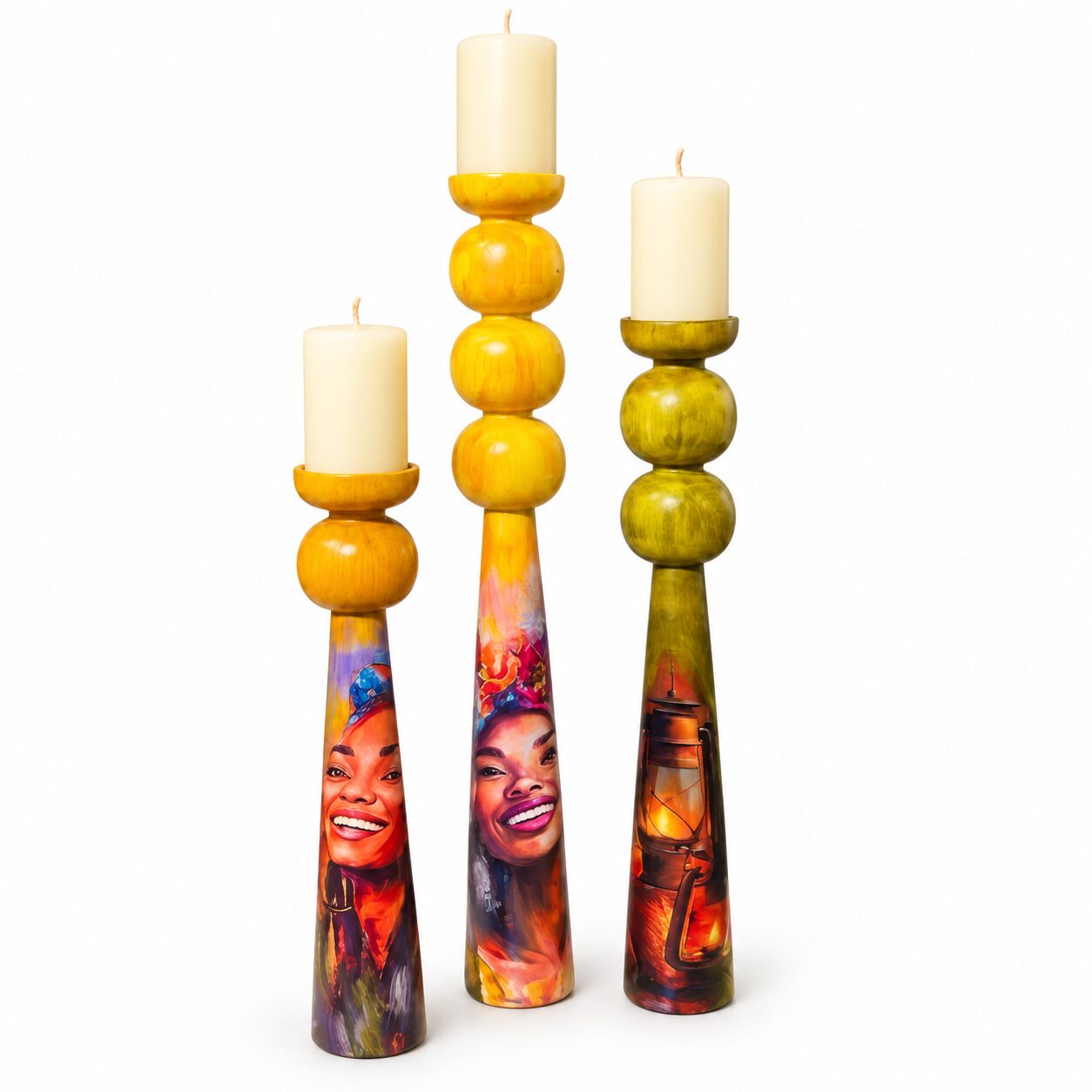
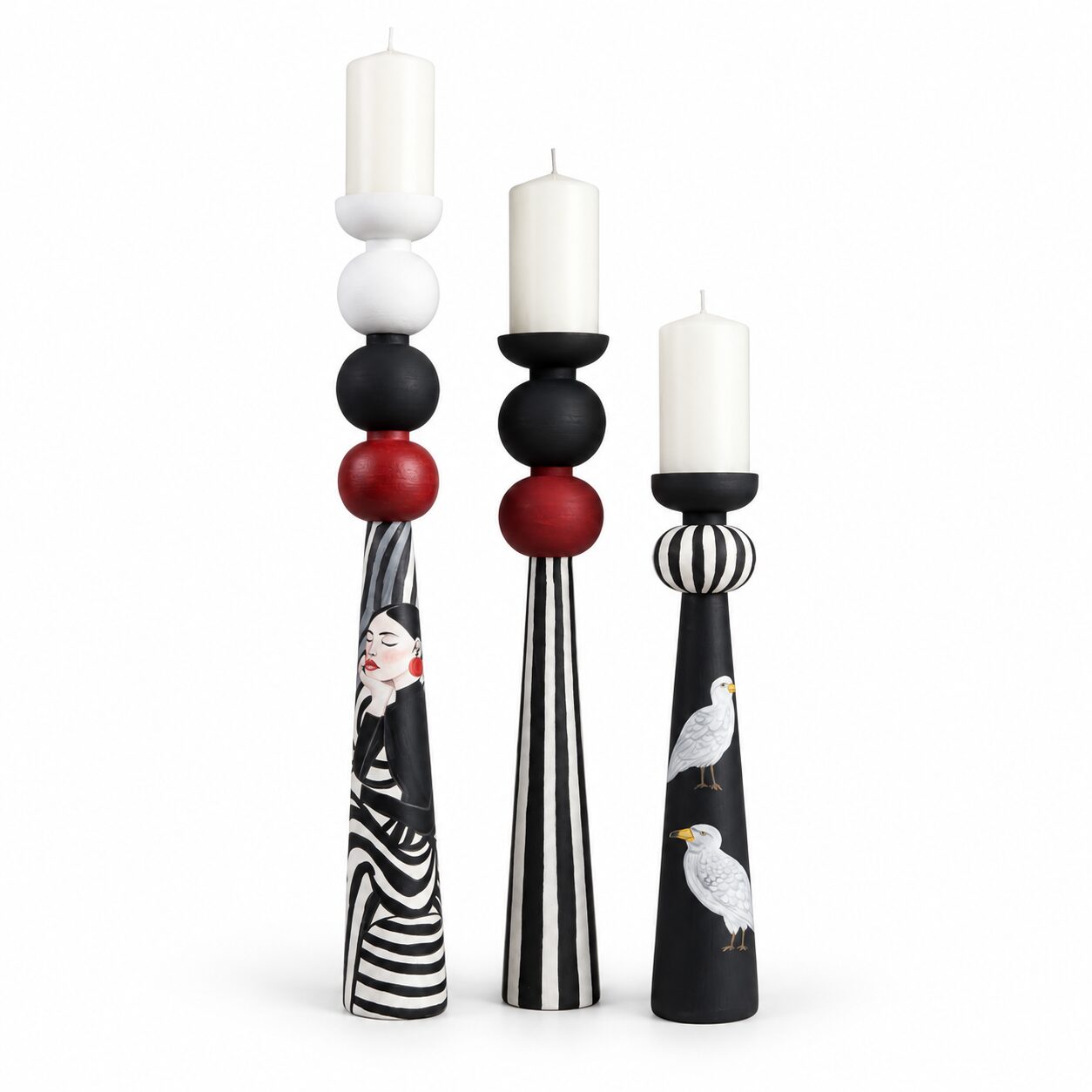
The Olive Metallic Tall Vase works in a modern living room where you want a little sheen, while the Handmade Halfa Vase brings Egyptian craft and warmth to a boho or coastal room. Hand-painted pottery is a special case: when the vase itself is the artwork, keep the stems simple and let the painting take the spotlight.
Choosing Artificial Stems That Look Real
Not all faux flowers are equal. The ones that look convincing share a few qualities.
- Natural variation. Real leaves are not identical. Stems with slightly different leaf sizes and tones read as more natural.
- Matte, not shiny. A glossy plastic sheen is the fastest giveaway. Matte or soft-touch finishes look far better in daylight.
- Flexible wires. Bendable stems let you shape each branch so it curves the way a real one would.
- Greenery first. Leaves and branches are more forgiving than flowers. Eucalyptus, olive and trailing greens look convincing even close up.
This is why eucalyptus is so popular. Artificial Eucalyptus Stems have a soft, silvery leaf that looks natural from almost any distance, and a few of them fill a vase quickly. For a gentler, warmer tone, a Blush Eucalyptus Stem adds a hint of soft pink that works beautifully in bedrooms. An Artificial Olive Branch brings a Mediterranean feel that suits Egyptian homes especially well, since olive is such a familiar and loved tree here.
How to Arrange Artificial Flowers Step by Step
Faux stems have one big advantage over fresh: you can take your time and change your mind. Use that freedom.
- Fluff and shape first. Stems arrive flattened from packaging. Bend each leaf and branch outward so it looks as if it grew that way.
- Trim to length. Use wire cutters, not scissors. Hold the stem next to the vase to judge the cut, and remember the one-and-a-half-times rule. Cut a little long; you can always trim more.
- Build the base with greenery. Place two or three leafy stems first, angled in different directions, to create the outline and hide the vase mouth.
- Add the focal stems. If you are using flowers or a feature branch, place them now, slightly off-centre, at different heights.
- Fill gaps with smaller stems. Short sprays tuck into empty spots and give fullness.
- Step back and edit. Look from where people will actually see the arrangement. Remove anything that crosses awkwardly or pokes straight up.
A Trick for Wide-Mouthed Vases
Stems flop around in a wide opening. Crumple a little paper or put a piece of floral foam inside the vase to hold them in place. In clear glass, use a handful of small pebbles instead so the support looks deliberate.
Odd Numbers and Uneven Heights
Three, five or seven stems look more natural than even numbers. Vary the heights so the arrangement has a high point, a middle and a lower edge. A perfectly level dome of flowers looks artificial even when the flowers are real.
Arrangement Formulas You Can Copy
The Single Branch
One long olive or eucalyptus branch in a slim, tall vase. Nothing else. It is calm, modern and almost impossible to get wrong. It suits entrance consoles and minimalist living rooms.
The Loose Greenery Bunch
Five to seven eucalyptus stems in a pitcher vase, left slightly wild. This is the easiest kitchen or dining arrangement and looks relaxed every day of the year.
The Floor Statement
A large floor vase such as the Pearl Pottery Floor Vase with three or four long branches, some leaning outward. It fills an empty corner and draws the eye up, which makes ceilings feel higher.
The Low Table Centrepiece
A wide, shallow vessel with short stems kept under 30 cm, so family can see each other across the table. For Ramadan iftar or an Eid lunch, add candles on either side and keep the greenery low and generous.
Matching Colour to the Room
Colour is where a faux arrangement either blends in or sticks out. The easiest approach is to let greenery do most of the work and treat flowers as an accent, the way a florist would with a fresh bouquet.
- Neutral rooms of beige, cream and wood love silvery eucalyptus, olive and soft blush tones. They add life without breaking the calm.
- Colourful rooms can take a stronger accent, but pick one flower colour and repeat it elsewhere, in a cushion or a print, so it looks intentional.
- Warm autumn palettes suit rust, orange and deep green. Autumn Orange Branches in a matte pottery jug bring October indoors even while the weather outside still feels like summer.
- Cool, coastal rooms with blues and whites look fresh with pale greens and white flowers.
Think about the vase and stems as one colour story. A white vase with white flowers can vanish against a white wall, so add contrast with deeper green leaves or choose a vase in a darker glaze. A dark vase, on the other hand, makes pale greenery glow.
Placing Arrangements Around the Home
- Entrance: a tall arrangement greets guests and sets the tone. Keep it on the side of the console, balanced with a tray or lamp on the other side.
- Living room: a coffee-table arrangement should stay low. A floor vase can fill an empty corner beside the sofa.
- Dining room: low and wide, never blocking faces.
- Bedroom: soft colours, smaller scale, one arrangement on a dresser or bedside table.
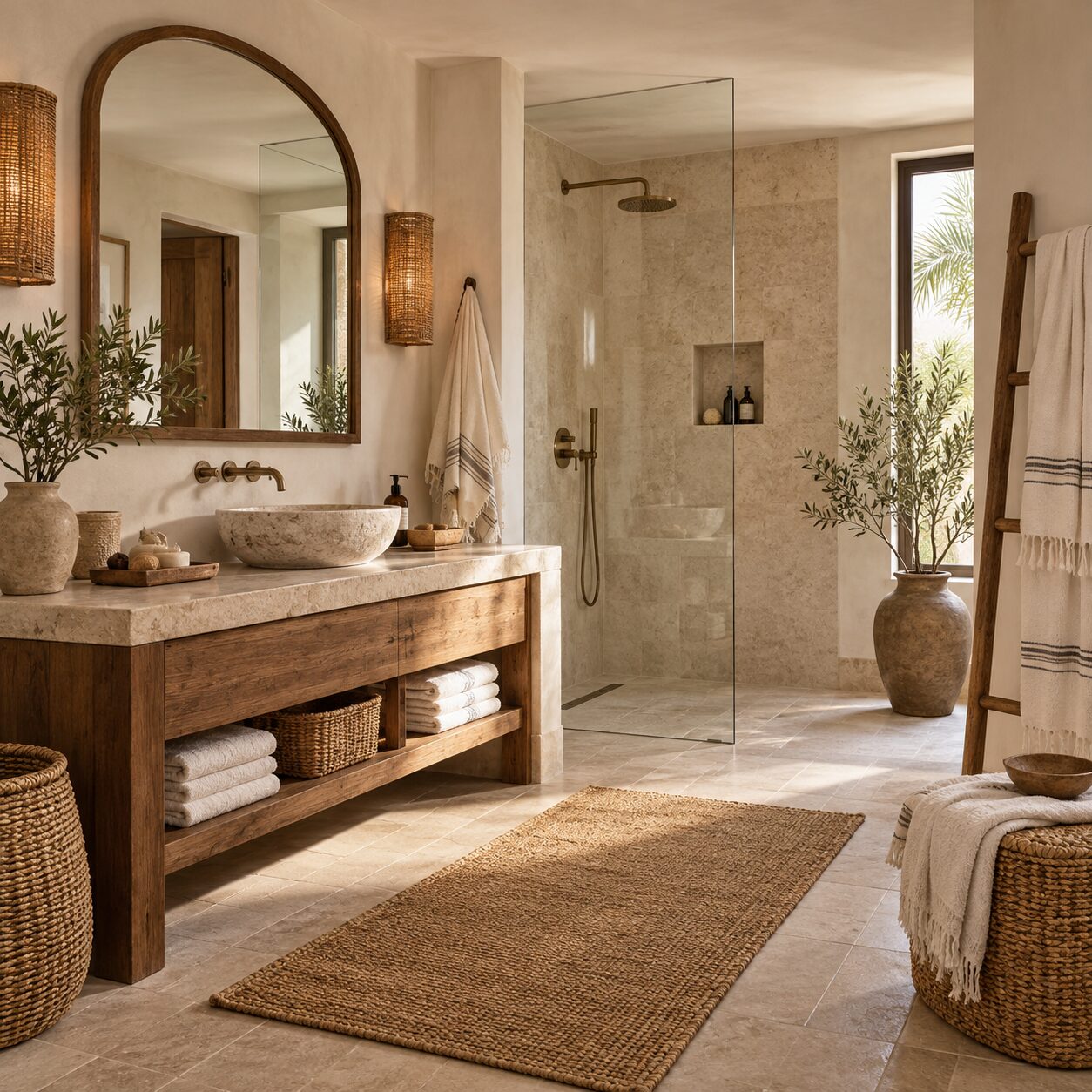
- Bathroom: a single small vase with a sprig of greenery adds life where real plants often struggle.
Group vases in threes for impact: one tall, one medium, one short, ideally sharing a colour or material. A trio of pottery pieces in neutral tones looks curated rather than cluttered.
Caring for Faux Flowers
Artificial does not mean maintenance-free, especially with Egyptian dust.
- Dust weekly with a soft makeup brush or a hairdryer on the cool setting.
- Rinse occasionally. Most stems can be swished gently in cool water with a drop of mild soap, then left to dry on a towel.
- Keep out of harsh direct sun. Strong sunlight through a window can fade colours over a summer.
- Rotate seasonally. Swap soft greens for warm autumn tones in October and back again in spring, and the same vases feel new.
Common Mistakes
- Stems too short for the vase, so the arrangement sits inside the rim.
- Every stem at the same height, creating a flat, artificial dome.
- Too many colours competing in one small vase.
- A busy vase with busy flowers. Let one or the other be the star.
- Shiny, cheap-looking stems placed where daylight hits them directly.
- Forgetting the dust. A grey film on leaves makes faux greenery look tired fast.
Quick Checklist
- Arrangement height about one and a half to two times the vase
- Vase shape matched to the spot and the stems
- Greenery as the base, flowers or feature stems on top
- Odd numbers and varied heights
- Low arrangements on dining tables
- Weekly dusting and seasonal swaps
Bring the Corner to Life
A good arrangement is a small daily pleasure: something green in the morning light, a branch that softens a hard wall, a centrepiece that makes a family meal feel special. Choose the vase for its place, shape the stems with patience, and edit until it feels effortless.
Explore handmade pottery vases, woven halfa vessels and natural-looking greenery at coccarohome.com and start with one arrangement this week.
Shop the Look