Pick up a well-made decoupage tray and look closely. The pattern seems painted, yet the edges are too crisp. The surface looks like glass, yet it is wood. Somewhere between painting, collage and lacquer work, decoupage creates a finish that feels both handmade and refined.
The word comes from the French decouper, meaning “to cut out,” and that is the heart of the craft. But a simple definition hides a slow, layered process that takes patience and skill. This guide explains what decoupage is, where it came from, how artisans make it, and how to choose and style decoupage pieces in your home.
A Short History of Cutting and Layering
Decorating objects with cut paper is an old idea. Cut-paper art appears in many cultures, and lacquered furniture from East Asia inspired European craftspeople for centuries. In eighteenth-century Europe, when true lacquerware was expensive and rare, artisans began gluing printed images onto furniture and then covering them with many coats of varnish to imitate the deep, glossy look of lacquer.
The technique became a fashionable pastime and spread widely. Over time, decoupage moved from imitation to an art form of its own, with makers using printed papers, napkins, fabric and painted backgrounds to create surfaces that could not be achieved any other way.
Decoupage in Egyptian Homes Today
In Egypt, decoupage has found a natural home alongside the country’s love of pattern. Local artisans often combine the technique with painted wood, tile motifs and colourful designs inspired by Mediterranean, coastal and Islamic patterns. The result sits comfortably beside traditional Egyptian decor while still feeling fresh.
How Decoupage Is Made
The basic method sounds simple. Doing it well is another story.
- Preparing the base. The object, usually wood, is sanded smooth and often painted with a base colour.
- Selecting and cutting. The artisan chooses printed papers or motifs and cuts them out precisely, sometimes with tiny scissors or a craft knife.
- Arranging the design. Pieces are laid out and adjusted until the composition feels balanced.
- Gluing. Each cutout is pressed on with a special adhesive, smoothing away bubbles and wrinkles.
- Painting and detailing. Many makers add hand-painted touches to blend edges or extend the design.
- Sealing in layers. Coat after coat of varnish or sealant is applied, each one left to dry and often lightly sanded before the next.
The sealing stage is what separates good decoupage from craft-table work. Multiple thin layers bury the paper edges so the surface feels smooth to the touch, protect the design from moisture and wear, and give the finish its depth.
Related Techniques You Will See
Decoupage collections often sit alongside closely related handwork:
- Hand-painted surfaces, where the design is painted directly onto wood.
- Tile and mosaic effects, where small decorative tiles or tile-pattern prints create a framed or patterned look.
- Distressed finishes, sanded to look softly aged.
At Coccaro Home, the Decoupage collection brings these hand-finished, layered-surface pieces together because they share the same spirit: patient, decorative work on a functional base.
What Makes Decoupage Pieces Worth Owning
Decoupage pieces do something mass-produced decor rarely manages: they combine pattern, colour and craftsmanship on objects you use every day.
- Pattern without paint skills. Intricate designs become possible on wooden trays, organizers and wall plates.
- A protected surface. Multiple sealing layers make the decorated area easier to wipe than raw painted wood.
- Every piece is slightly different. Hand placement means no two items are exactly identical.
- Practical art. You get a decorative object that also organizes cutlery, holds towels or carries coffee cups.
Decoupage and Hand-Finished Pieces, Room by Room
Living Room and Entrance
A mirror with a decorated frame is one of the boldest ways to use this craft. The Bohemian Wall Mirror with Decoupage Tile Frame brings colour and reflected light to an entrance or a living room wall, and it can carry a whole colour scheme on its own.
Wall plates are another favourite. The Ocean Treasures Hand-Painted Wooden Wall Plates come as a set of five and can be hung in a cluster above a console or sofa. For warmer, earthier tones, the Desert Oasis Wooden Wall Plates suit rustic and farmhouse interiors.
Dining Room and Kitchen
This is where decorated wood truly earns its keep. The Cutlery Organizer with Decorative Tiles keeps forks, spoons and napkins tidy on the table during family meals, and during Ramadan it saves endless trips to the kitchen drawer. A Wooden Tea and Coffee Set with Mosaic Design gives your hosting corner a finished, coordinated look.
Coasters are a small, affordable way to start. The Handcrafted Wooden Mandala Coasters add a burst of pattern to a coffee table and protect it at the same time.
Bathroom
A decorated wooden organizer turns towels into a display. The Wooden Towels Organizer with Decorative Tiles brings colour to a plain bathroom. Keep it away from direct shower spray and wipe off splashes promptly.
Shelves and Small Corners
Small decorative sets add personality to bookshelves and side tables. The Rustic Green Decor Set with “HOME” Letter Blocks combines wooden letter blocks with a ceramic tray for an instant styled vignette.
How to Judge Quality in Decoupage
Look closely and touch the surface. These details reveal a careful maker.
- Smooth to the touch. You should not feel raised paper edges under your fingertips.
- No bubbles or wrinkles. The design should lie flat everywhere, including corners.
- Even gloss or matte finish. Patchy shine suggests uneven sealing.
- Clean edges. Cutouts should have crisp outlines, not torn or fuzzy ones.
- Finished backs and undersides. A well-made piece is sealed or painted where you cannot normally see.
- Balanced composition. Motifs should feel intentionally placed, not crowded or lopsided.
Styling Decoupage Without Overload
Decoupage is pattern-rich, so it needs room to breathe.
- Give it a calm background. Plain walls and solid textiles let decorated pieces stand out.
- Pull colours from the piece. Choose cushions, vases or runners that repeat one or two of its colours.
- Keep one hero per area. A decoupage mirror plus a decoupage tray plus decorated wall plates on the same wall competes for attention.
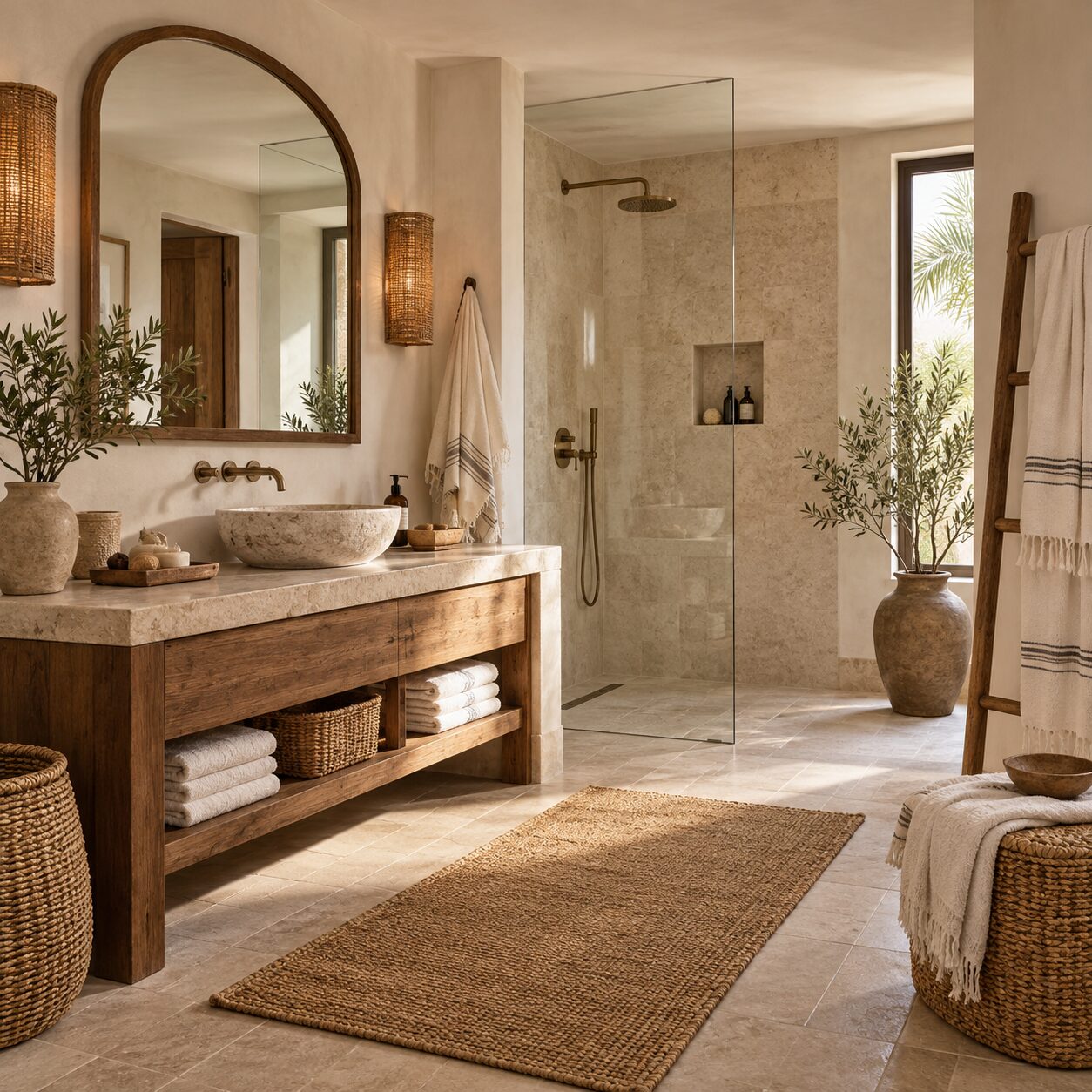
- Mix with natural textures. Jute runners, rattan and linen soften the polished finish.
- Group wall plates thoughtfully. Lay them on the floor first and photograph arrangements before drilling.
Matching Decoupage to Your Style
- Coastal: ocean motifs, blues and whites, rope accents.
- Mediterranean: tile patterns, lemons, terracotta and olive greens.
- Bohemian: colourful tile frames, mixed patterns and plenty of plants.
- Farmhouse: distressed finishes, desert tones and vintage-style signs.
Decoupage Pieces as Gifts
Decorated, hand-finished pieces make some of the most memorable gifts, because they feel personal without being difficult to choose. A set of wall plates or a tile-detail organizer carries colour, craft and usefulness in one package.
Matching the Piece to the Person
- For newlyweds: a coordinated tea and coffee set or a cutlery organizer helps them host their first gatherings in style.
- For a coastal-home lover: ocean-themed wall plates bring the Mediterranean indoors, even in a Cairo apartment.
- For a keen cook: lemon or botanical wall plates suit a kitchen wall, and a decorated cutlery caddy keeps the counter tidy.
- For a small budget: patterned wooden coasters are a thoughtful, affordable choice that suits almost any home.
Ramadan and Eid Hosting
Patterned, hand-finished pieces feel especially at home during the holy month. A Cutlery Holder with Islamic Moon and Star Design brings a festive touch to the iftar table while keeping spoons and forks within reach of every guest. Pair it with plain white plates and a natural runner so the decorated piece becomes the focal point rather than one pattern among many.
When giving any decorated piece, include a short care note: wipe gently, never soak. It helps the recipient enjoy the craft for years.
Caring for Decoupage Pieces
- Wipe with a soft, slightly damp cloth. Dry immediately afterwards.
- Avoid soaking. Never put decoupage pieces in water or a dishwasher.
- Skip harsh cleaners. Abrasive sponges and strong chemicals can dull or scratch the seal.
- Use coasters and trivets. Very hot pots or wet glasses left for long periods can mark the surface.
- Keep out of constant strong sun. Bright light can fade printed designs over time.
- Dust regularly. Dust in the crevices of frames can be lifted with a soft brush.
Common Mistakes
- Treating decoupage like ceramic. It is sealed wood, not glazed pottery, so it should never be soaked.
- Hanging pieces in steamy spots without ventilation. Prolonged humidity can affect wood and paper.
- Surrounding it with competing patterns. Busy wallpaper behind a busy mirror cancels both out.
- Buying by photo alone. Read the product name and description so you know whether a piece is painted, tiled or layered.
Quick Checklist
- Feel for a smooth surface with no raised paper edges
- Check for bubbles, wrinkles and patchy sealing
- Choose one decorated hero piece per wall or surface
- Repeat its colours in nearby textiles
- Clean with a soft damp cloth and dry immediately
- Use trivets and coasters to protect the finish
A Craft Worth Looking Closer At
Decoupage rewards a second look. What seems like a simple painted tray is often the result of careful cutting, gluing, painting and many coats of sealing. Bringing these pieces into your home adds colour and pattern while celebrating patient handwork.
Browse decoupage mirrors, tile-detail organizers, hand-painted wall plates and more at coccarohome.com, and find a piece that makes guests stop and look closer.
Shop the Look